

The Law Shop Minnesota

Focused on the Future
Because divorce, custody, paternity, separation and other family matters are deeply personal situations, they are best resolved with thoughtful legal help. The prospect of finding the right kind of help, and dealing with the family law system, however, is a daunting one for most people.
Family law matters stir up a variety of emotions: grief, frustration, anger and pain, as well as anxiety about finances, upcoming changes, the legal process, and its aftermath. Most people get their information about divorce from family and friends who have experienced it. Additionally, media often highlights nasty divorces. Consequently, people’s impressions of divorce are usually negative and tend to increase apprehension about divorce and the family law system.
Luckily, there are alternatives to the fighting, bitterness, and escalating hostility that most people associate with divorce and family law. For people who want to resolve their issues in a way that meets the needs of everyone involved, Livesay Law Office makes available out of court options like Collaborative Practice and mediation. She focuses on resolving legal matters out of court in a way that lowers anxiety and results in people saying, “I can live with this. This works for me and my family.”
As a result, working outside of the court process allows for creative problem solving. It creates a financial agreement and comprehensive settlement that maximizes the families’ financial resources, and does not put children in the middle of conflict.
Contact us today if you need legal assistance with any of the following:
- Pre-Divorce Consultation
- Divorce Process Options
- Family Law Mediation
- Other Family Law Services
Call 651-316-2419 today to arrange your free initial consultation.
Attorney Louise Livesay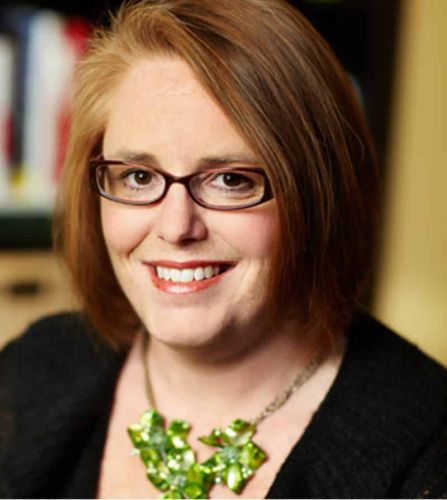
My professional life was transformed when I learned about Collaborative Family Law. I realized that rather than being part of a legal system which often further damages family relationships, I could be part of a restorative system. No longer was family law about “fighting for” or “protecting” assets; it was about transforming a relationship from one form into another. “Custody” and “visitation,” terms used in the prison system, became “parenting time.” Not only did these subtle differences feel gentler, they also felt more respectful, caring, and accurate. These changes make a positive difference in how a client and his or her family move through the legal process.
More than a profession for me, Collaborative Practice is a vocation. It offers me a way to align my personal values with my professional skills. I can offer hope in a time of stress and be an instrument of change and healing in people’s lives. My clients and their families create agreements that work for everyone, helping the family move forward in a productive and secure way. I’m able to live and work with integrity, to call forth my higher self and to help others do the same. I believe applying the principles taught by Collaborative Practice allows me to be of service to my clients, my community, and ultimately to inspire global change in how people in conflict interact.
I’ve been helping families in the Twin Cities resolve conflicts and disputes since 1999. I’ve dedicated my practice to helping families reach out-of-court settlements through mediation, Collaborative Practice, and negotiated settlement. The Collaborative model can also be applied to other areas of family law outside of divorce, such as pre- and post-nuptial agreements, third-party custody, paternity, post-decree matters, and LGBTQ family matters that have not been recognized in the traditional court system until more recently. I received my Bachelor of Arts in Psychology from the University of Minnesota, followed by a Juris Doctor from Hamline University School of Law.
I’m an active member of the Collaborative Law Institute of Minnesota (CLI), International Academy of Collaborative Professionals (IACP), and several Minnesota and Ramsey County Bar organizations. I have served on the CLI Board of Trustees twice and have led the organization as Co-President each term. In 2013, I was awarded the Stu Webb Award, which was created to recognize and is named for the creator of Collaborative Law more than 25 years ago. I also train attorneys and mediators around the country about Discernment Counseling and how to recognize and address divorce ambivalence in our work.
I regularly volunteer for the Collaborative Law Institute’s Low Bono Project, as well as Southern Minnesota Regional Legal Services, an organization committed to providing a full range of high quality legal services to low income people and eligible client groups in civil matters.